
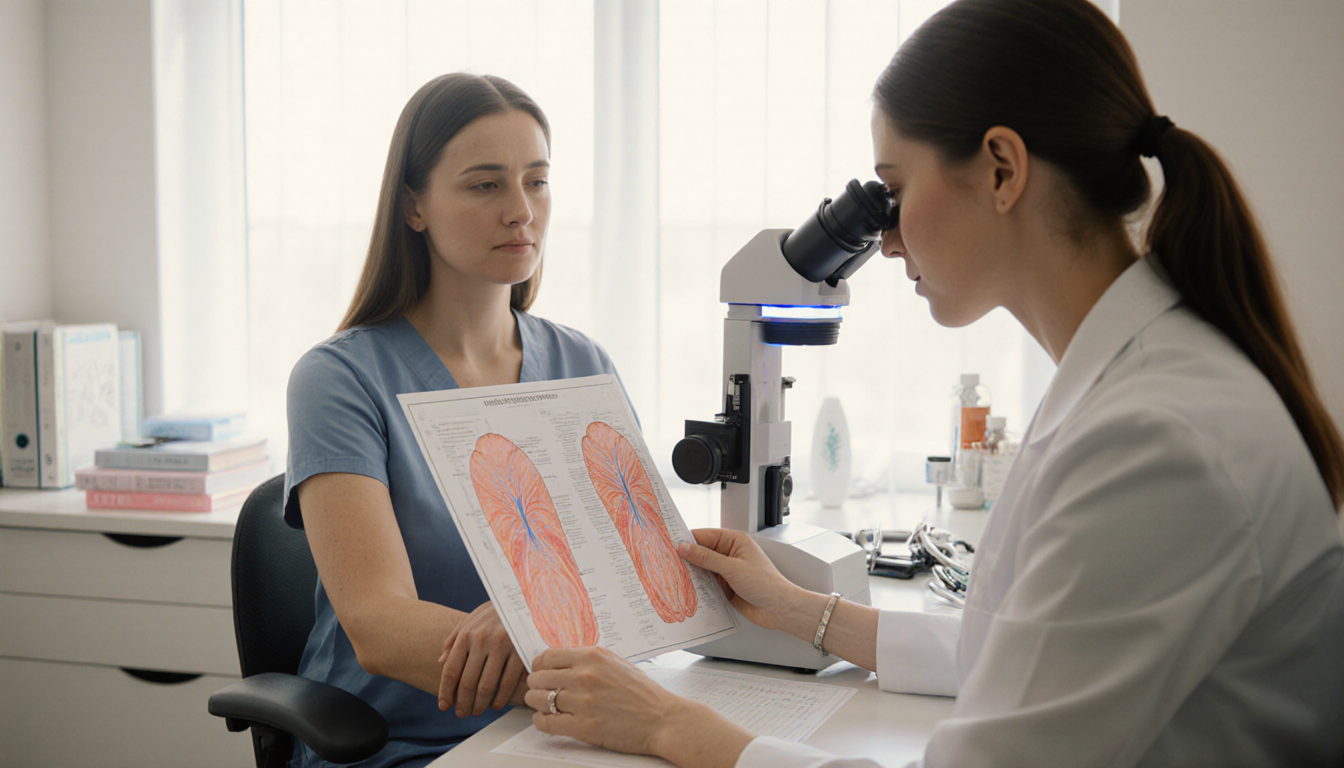
When a new rash or a stubborn mole appears, it can feel like a mystery novel—full of clues but no clear ending. That’s why understanding skin disease diagnosis process is essential: it turns the mystery into a roadmap. In this guide, we’ll walk through the steps a dermatologist takes, the tools they use, and how you can play an active role. By the end, you’ll know what to expect and how to make the most of your skin‑care appointments.
The First Step: A Symptom Checklist
Before a doctor even steps into the clinic, you’re the first detective on the scene. A quick self‑check can help you decide whether a professional visit is urgent.
Common Red Flags
- Rapid change in size or shape of a spot
- Unusual color—especially darker or uneven tones
- Persistent itching or pain that doesn’t ease
- New lesions in people over 30 or those with a family history of skin cancer
When to Seek Help
If any red flag appears, schedule an appointment within a week. For mild concerns, a 2‑to‑3‑week wait is usually fine. Remember, early detection often means easier treatment.
The Dermatologist’s Playbook
Once you’re in the dermatologist’s office, the understanding skin disease diagnosis process takes a more structured form. Think of it as a playbook: observation, testing, and analysis.
Visual Inspection & Biopsy
The first act is a thorough visual exam. The Dermatologist may use a dermatoscope—essentially a magnifying glass with built‑in light—to spot subtle changes invisible to the naked eye. If something looks suspicious, a Biopsy may be performed: a tiny sample of skin is removed for microscopic examination. This is the gold standard for confirming conditions like melanoma or psoriasis.
Imaging and Lab Tests
Beyond the microscope, several tools help paint a fuller picture:
- High‑resolution photography to track changes over time
- Blood tests to check for underlying autoimmune markers
- Allergy panels if eczema or dermatitis is suspected
These tests complement the visual data, ensuring no detail is overlooked.
The Role of Technology
Modern skin care isn’t just about stethoscopes and scalpels. Technology is increasingly becoming a trusted ally in the understanding skin disease diagnosis process.
Teledermatology and AI
- Virtual consultations let you upload images for remote review
- AI algorithms can flag suspicious lesions with impressive accuracy
- Mobile apps track symptoms and remind you to apply treatments
Wearable Sensors
Some emerging devices monitor skin temperature, moisture, and even electrical conductivity, providing real‑time data that can inform treatment adjustments.
Patient‑Doctor Dialogue
No diagnosis is complete without collaboration. Your voice shapes the outcome as much as the doctor’s expertise.
History Taking
- Personal habits: sun exposure, skincare routines, diet
- Family history: any relatives with skin conditions
- Previous treatments: what worked, what didn’t
Shared Decision Making
Once the diagnosis is clear, the doctor and you will discuss options. This partnership ensures treatments align with your lifestyle and preferences.
> “The skin is the world’s largest billboard; what we put on it speaks louder than words.” – Dr. Elena Martinez, dermatologist
Beyond the Diagnosis: Treatment Pathways
A clear diagnosis opens the door to targeted therapy. Treatments vary from topical creams to systemic medications, and lifestyle changes often play a pivotal role.
Topical vs Systemic
- Topical: creams, ointments, and lotions applied directly
- Systemic: oral medications or injections that work throughout the body
Choosing between them depends on severity, location, and patient factors.
Lifestyle & Follow‑up
- Sun protection: SPF 30+ daily, hats, and sunglasses
- Moisturizing: barrier‑repair creams to soothe eczema
- Regular check‑ups: every 6‑12 months to catch changes early
Adopting these habits can be the difference between a flare‑up and a long‑term improvement.
Your Skin’s Story Continues
Understanding skin disease diagnosis process is not a one‑time event—it’s an ongoing dialogue between you, your dermatologist, and the technology that supports you. By staying informed, asking questions, and following up, you become the author of a healthier skin narrative.
Take the first page today: note any changes, schedule that appointment if needed, and keep the conversation going. Your skin deserves a clear, confident future.